
Sheaves
Engineering the System — Not Just the Components
At WRS, we approach wire rope systems as an integrated mechanical system, rather than treating the wire rope, sheave and reeving arrangement as independent components.
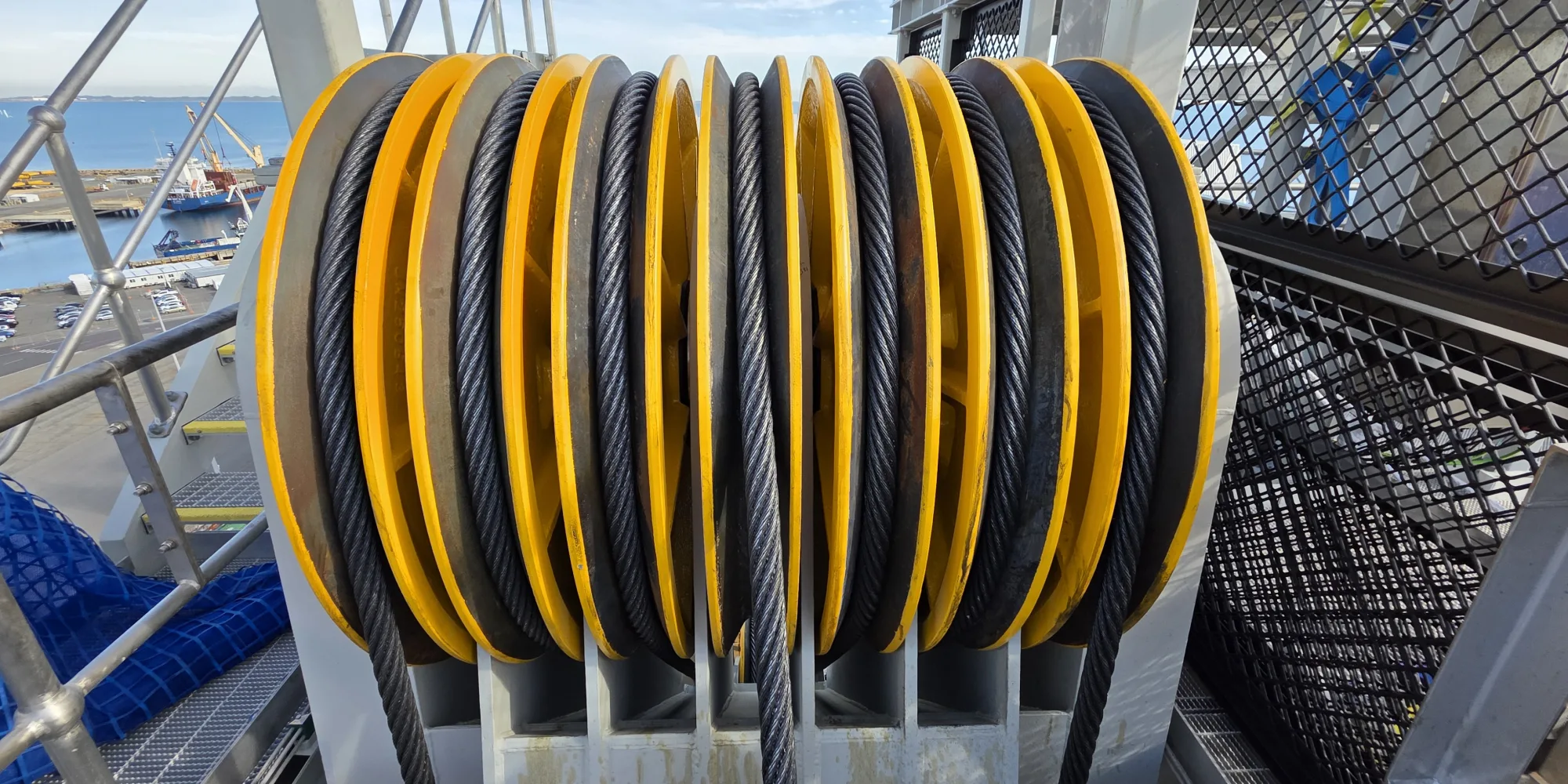
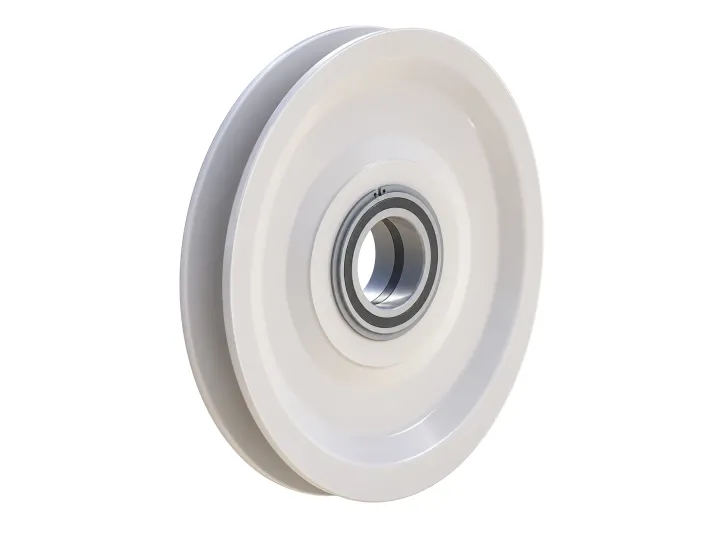
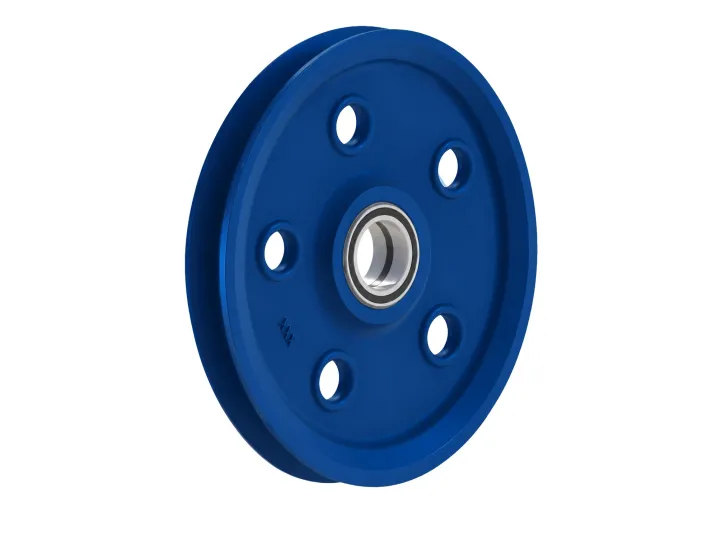
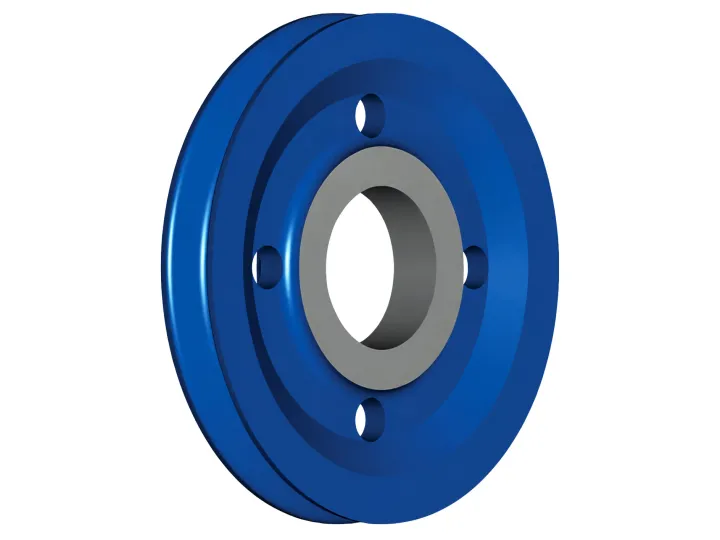
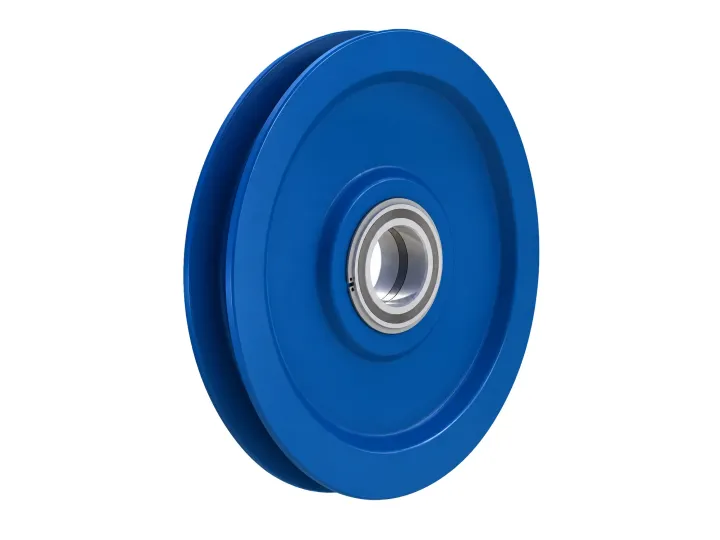
The performance and service life of a wire rope system are influenced by the interaction between the rope, sheave geometry, reeving configuration, operating loads and machine conditions. Selecting individual components without considering these relationships can result in accelerated wear, reduced rope life, inefficient operation and premature component failure.
WRS applies an engineering-based approach to the selection and configuration of the complete system.
Application-Based System Selection
WRS engineering team assess against the critical parameters that influence wire rope and sheave performance, including:
Wire Rope Construction
Selection of rope construction, lay, grade and characteristics appropriate to the application and reeving arrangement.
Rope Diameter
Correct sizing of the rope in relation to working load, machine geometry and sheave/drum dimensions.
D/d Ratio
Assessment of the relationship between rope diameter and sheave diameter to minimise bending fatigue and optimise rope service life.
Sheave Groove Geometry
Groove diameter, profile, depth, material and hardness are considered in relation to the selected rope construction and diameter.
Fleet Angle & Reeving Geometry
Evaluation of fleet angles, rope entry and exit conditions, crossovers and reeving geometry to control lateral forces, rotation and uneven loading.
Bearing Arrangement
Bearing selection and configuration based on radial loads, operating speed, duty cycle, environmental conditions and expected service requirements.
Operating Speed
Consideration of rope speed, sheave rotational speed and dynamic operating conditions to ensure the system is suitable for the application.
Load & Duty Cycle
Assessment of working loads, peak loads, load cycles, acceleration, deceleration and frequency of operation.
Operating Environment
Consideration of temperature, contamination, corrosion, moisture, dust and other environmental factors that may influence component performance and maintenance requirements.
Reeving Configuration
Optimisation of the complete reeving arrangement to achieve appropriate load distribution, rope movement and machine performance.

A Matched System Approach
The result is a matched wire rope, sheave and reeving system engineered around the application.
Rather than simply replacing a wire rope or sheave with an equivalent component, WRS assesses the operating conditions and the interaction between the components to identify opportunities to improve:
- Wire rope service life
- Sheave service life
- Bending fatigue performance
- Load distribution
- Rope tracking and stability
- Operating efficiency
- Maintenance intervals
- System reliability
Designed Around Your Machine
WRS works with OEMs, equipment owners, maintenance teams and engineering groups to develop application-specific solutions for cranes, shiploaders, bulk material handling equipment, hoists, winches and other wire-rope-driven machinery.
Where required, WRS can assess the existing arrangement and identify opportunities to optimise rope construction, sheave geometry, reeving configuration and associated components as a complete system.
The objective is simple: engineer the interaction between the components to deliver a system that performs as intended — and continues to perform in service.
Need to check stock levels?
Give us a call or shoot through a message. We hold premium lifting gear right here in Tasmania for fast dispatch—no mainland wait times.